
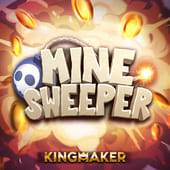
Minesweeper: Clear the Board with a Smarter Game Plan
Minesweeper is a clue-led cards game: reveal safe squares, read each number, and mark likely mines before you commit to the next move. The best first step is to play patiently, keep a clear boundary around known information, and treat every uncertain reveal as a decision rather than a reflex.
This Minesweeper guide explains the rhythm of a round and what to look for on a phone-sized screen. It is a concise starting point for a Minesweeper Demo session, while the PHLBest version keeps the board readable and the choices easy to follow.
Minesweeper and more cards games to explore

Why Minesweeper Feels Focused and Satisfying
The core answer is simple: Minesweeper rewards attention, not speed alone. Each numbered square gives a small piece of evidence about the hidden spaces next to it, so a round moves from broad discovery to careful deduction. The dark board, bright markers, and compact cards layout make a short session feel like solving a visual puzzle.
A useful Minesweeper rhythm has three beats. First, scan the open area and connect clues that touch the same unopened squares. Next, mark a suspected mine without treating the marker as proof. Finally, return to the safest edge and reveal only when the neighboring numbers support the choice. This keeps the session measured on touch screens where an accidental tap can change the whole board.
The visual theme works best when you give it room to breathe. Clear clusters are easier to read than a crowded chain of guesses, and a pause after a new number often reveals a pattern that was hidden at a glance. Players who want to review current offers can visit Phlbest Promotions separately, then return to the board with a defined session limit.
Minesweeper Habits That Protect Your Next Move
The most useful answer is to separate what you know from what you suspect. Marking a possible mine is a reminder, not a guarantee; only a complete clue pattern should turn a suspicion into a safe decision. That small habit prevents one attractive guess from steering the entire Minesweeper board.
- Count the perimeter: compare a clue with the number of still-hidden neighbors, then remove squares already marked as safe.
- Pair matching clues: when two nearby numbers share the same hidden cells, use their difference to isolate the extra risk.
- Open zero zones carefully: a blank area usually expands information, but scan its new edge before tapping again.
- Keep a steady pace: short pauses make mobile taps more deliberate and give each new number time to settle.
- Set a stop point: decide your session length before opening the game and step away when attention drops.
There is no reliable shortcut that turns every unknown square into a win. Strong Minesweeper play comes from preserving options, revisiting clues, and accepting that some boards contain a genuine probability choice. Use the same careful approach whether you are learning the pattern or returning for a quick practice round.
How Minesweeper Compares With Other Cards Games
Choose Minesweeper when you want clue-based control and a quiet, step-by-step pace. Choose a faster cards game when you prefer a single visible outcome or a simpler repeated action. The comparison depends on the kind of attention you want to spend, not on one game being universally better.
All four related choices remain cards entries in the site collection, but their experiences are distinct. Comparing the number of decisions, the length of a round, and the amount of visible information helps you choose a session that matches your available time.
Is Minesweeper Right for a Short Break?
Yes, Minesweeper suits a short break when you want a self-contained puzzle and can give it a few undistracted minutes. Begin with a modest session boundary, read the opening clues, and stop after the planned time instead of chasing an uncertain board. That answer applies especially well to mobile players who want a focused cards game rather than a long commitment.
For a different visual pace, you can browse Mega Fishing as a separate option in the site. Keep the two sessions distinct: Minesweeper is about interpreting evidence on a fixed board, while a fishing-style game emphasizes active aiming and changing targets. Choosing before you start helps keep the break intentional.
If you are new, use the first round to learn the board language instead of measuring success only by completion. If you are experienced, use the break to practice one habit, such as comparing two adjacent clues. Either approach gives the Minesweeper session a clear purpose and a natural stopping point.
Minesweeper Vocabulary Without the Jargon
A few terms make Minesweeper easier to follow. A cell is one square on the board. A clue is the number shown after a safe reveal, and it tells you how many mines touch that cell. A flag marks a square you believe is dangerous; it records your reasoning but does not prove the square contains a mine.
- Neighbor: any square directly beside a cell, including diagonal positions when the board uses the standard eight-neighbor rule.
- Safe reveal: a tap supported by the surrounding clues, not merely a square that looks appealing.
- Frontier: the boundary where known open cells meet unknown cells; it is usually where the next deduction happens.
- Forced move: a reveal or flag that follows from the available clues with no remaining alternative.
- Guess: a probability choice made when the visible evidence cannot determine a single safe square.
Understanding those words lets you read a Minesweeper explanation without confusing a marker with certainty. For broader platform background and account guidance, see About Phlbest; this page remains focused on the game’s board decisions and practical play habits.
Keep Every Minesweeper Session Comfortable
A good Minesweeper session ends while the board still feels interesting. Use the pause between clues to check your time, keep your chosen limit visible, and take a break when concentration fades. No pattern guarantees an outcome, so never increase a stake or extend play simply to recover from an earlier result.
Mobile comfort matters too. Hold the phone steadily, use the largest readable view available, and avoid tapping through a board while walking or multitasking. A calm setup supports better clue reading and keeps the game in its intended place as a short, optional entertainment activity.